



Cypress Tree Screen
The "Cypress Screen" is a traditional Japanese artwork, painted from the late 16th to early 17th centuries. The screen was created by the famous Japanese painter Kano Yongde. Kano Yongde was a famous painter in the Warring States Period in Japan and was famous for his unique painting style and superb skills. There are several tall cypress trees painted on the screen. The trunks and branches and leaves are all made of delicate brush strokes and thick and light ink colors, vividly showing the upright and vigorous cypress trees. The screen background is dominated by gold, creating a solemn and elegant atmosphere. Cypress is a symbol of longevity and tenacity in Japanese culture.

Cypress Screen (Wild Yongde)
Cypress Screen is a screen painting created by the famous painter Kano Yongde (1543-1590) in the Antu Taoshan period in Japan. Screen painting was originally one of a pair of large screens in Antu City, a landscape painting composed of cypress trees (I. e. cypress trees).

Liuqiao Waterwheel Figure Screen
"Liuqiao Waterwheel Picture Screen" is a six-fan screen depicting the scenery of the Musashino area in Japan. This screen displays elements such as golden bridges, willows, waterwheel and snake cage, forming a beautiful natural landscape. This screen was very popular during the Taoshan period and the early Edo period.

Musashino Six Screens
This is a six-fan screen depicting the Musashino region of Japan, and they usually appear in pairs. The screen may display a beautiful natural landscape and rich cultural elements.
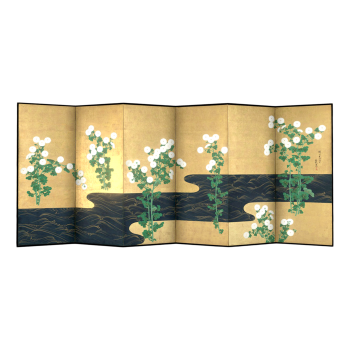
Brook Chrysanthemum Screen
It is a screen painting with the theme of chrysanthemums and streams, which is commonly found in traditional Japanese art.

Seventeenth Century Japanese Edogawa Age Antique Folding Trees Paper Ink Trees Screen

Popular Models


Honey Badger (3D animated model)
194 View
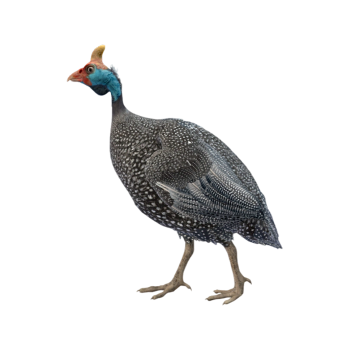
Guinea fowl (3D animated model)
165 View

Wild Goose (3D animated model)
187 View
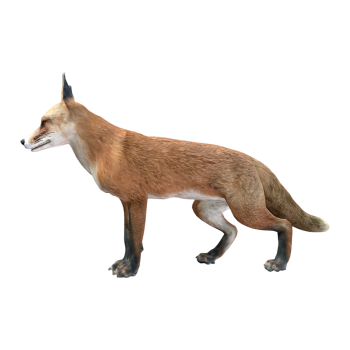
Red Fox (3D animated model)
155 View
Random Model

Inonotus obliquus
622 View

Persian Gold Round Shield
542 View

Nepal Temple Peak Temple
1041 View
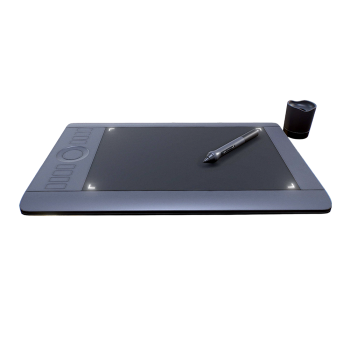
Wacom Intuos Pro Professional tablet
456 View

Adidas
513 View
Living room sofa
508 View
Auxiliary chair
581 View

Camping tool set
518 View

Wooden outdoor toilet
400 View